
Table of Contents
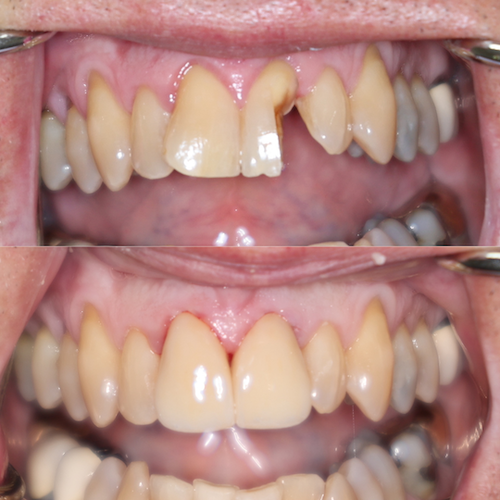
Dental Crowns
Looking for a dentist in Canby, Oregon that can fix your tooth with a crown? A dental crown is a custom-made restoration that covers and protects a damaged or weakened tooth. Crowns are designed to restore strength, function, and appearance while preserving as much natural tooth structure as possible.
When a tooth is cracked, heavily filled, worn down, or treated with a root canal, a crown can provide long-term protection and durability.
What Is a Dental Crown and How Does It Work?
A dental crown is a tooth-shaped cap that fits securely over a prepared natural tooth. The crown restores the outer structure of the tooth, protecting it from fracture while allowing normal chewing and function.
To place a crown, the tooth is carefully reshaped to create space for the restoration. An impression or digital scan is taken, and the crown is custom fabricated to match the shape, size, and color of your natural teeth. Once placed, the crown fully covers the visible portion of the tooth above the gumline.
Modern crowns are often made from strong, natural-looking materials such as ceramic or porcelain, providing both durability and esthetics.
Dental Crown Procedure
The crown process typically involves one or two visits, depending on the technology used.
- Evaluation and Diagnosis: The tooth is examined to determine whether a crown is the appropriate treatment.
- Tooth Preparation: The damaged portion of the tooth is removed, and the tooth is reshaped.
- Impression or Digital Scan: A precise model is taken to ensure a comfortable, accurate fit.
- Temporary Crown: A temporary crown may be placed while the final crown is fabricated.
- Final Placement: The custom crown is bonded securely into place and adjusted for proper bite and comfort.
Alternatives to Dental Crowns
Depending on the condition of the tooth, alternatives may include:
- Dental fillings
- Onlays or inlays
- Tooth extraction
- Monitoring minor cracks
A crown is typically recommended when a tooth requires full coverage for strength and protection.
Risks and Considerations
Dental crowns are a common and reliable restoration. Potential considerations include:
- Temporary sensitivity after placement
- Crown loosening or debonding over time
- Wear or chipping of ceramic materials
- Rare need for root canal treatment if the tooth becomes symptomatic
Good oral hygiene and regular dental visits help maximize crown longevity.
Frequently Asked Questions About Dental Crowns
How long do dental crowns last?
With proper care, crowns can last many years. Longevity depends on oral hygiene, bite forces, and habits.
Will my crown look natural?
Yes. Crowns are custom-designed to blend with surrounding teeth in color and shape.
Is getting a crown painful?
The procedure is typically comfortable with local anesthesia. Mild soreness afterward is temporary.
Can a crowned tooth still get cavities?
Yes. While the crown itself cannot decay, the underlying tooth structure near the gumline can develop cavities if not properly maintained.
Do crowns require special care?
Crowns are maintained with regular brushing, flossing, and routine dental visits.
Schedule a Dental Crown Consultation
If you have a damaged or weakened tooth, a dental crown may help restore strength, comfort, and appearance. Our team is happy to evaluate your tooth and discuss your treatment options.
Call our office or request an appointment online to schedule your consultation.