
Table of Contents
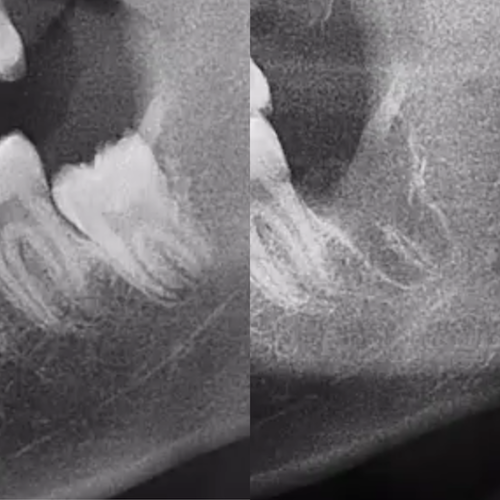
Wisdom Teeth (Third Molars)
Looking for a dentist in Canby, Oregon that provides wisdom teeth removal? Wisdom teeth are the third set of molars that typically develop in the late teenage years or early adulthood. While some wisdom teeth grow in normally, many become impacted, misaligned, or difficult to clean, which can lead to pain, infection, or damage to neighboring teeth.
Wisdom teeth removal is a common procedure designed to protect long-term oral health and prevent complications.
What Are Wisdom Teeth and Why Are They Removed?
Wisdom teeth are located at the very back of the mouth. Because modern jaws often do not have enough space to accommodate them, these teeth may:
- Become trapped under the gums (impacted)
- Partially erupt and trap bacteria
- Grow at an angle toward neighboring teeth
- Cause crowding or bite changes
When a wisdom tooth is impacted or partially erupted, bacteria can accumulate around it, leading to inflammation, infection, cyst formation, or damage to adjacent teeth.
Removal is often recommended when there is pain, infection, risk of future complications, or orthodontic concerns.
Wisdom Teeth Removal Procedure
The approach depends on whether the tooth is fully erupted or impacted.
- Evaluation and Imaging: Digital X-rays: are taken to evaluate tooth position, root formation, and proximity to nerves or sinuses.
- Anesthesia and Comfort: Local anesthesia is used to numb the area. Additional comfort options may be discussed if appropriate.
- Tooth Removal: For fully erupted teeth, removal may be straightforward. Impacted teeth may require a small surgical opening in the gum and removal in sections.
- Healing and Aftercare: Post-operative instructions are provided to promote healing and reduce the risk of complications.
Alternatives to Wisdom Teeth Removal
Alternatives may include:
- Monitoring asymptomatic wisdom teeth
- Improved hygiene around partially erupted teeth
- Treating infections as they arise
However, if wisdom teeth are causing ongoing problems or are at high risk for future complications, removal is often the most predictable solution.
Risks and Considerations
Wisdom teeth removal is a common and generally safe procedure. Possible risks may include:
- Swelling and temporary discomfort
- Bruising or jaw stiffness
- Dry socket during healing
- Infection
- Temporary or rarely prolonged numbness in the lip or tongue (depending on nerve proximity)
Following post-operative instructions greatly reduces complications.
Frequently Asked Questions for Tooth Removal (Tooth Extraction)
Is wisdom teeth removal painful?
The procedure itself is typically comfortable due to anesthesia. Pain is controlled with local anesthesia, however you will feel pressure during the procedure. Mild to moderate soreness afterward is normal and manageable, and a pain medication regimen will be provided.
How long does recovery take?
Most patients recover within several days to a week, though complete healing of the bone takes longer.
Do all wisdom teeth need to be removed?
Not always. Removal is recommended when there is infection, pain, damage to nearby teeth, or risk of future complications.
At what age should wisdom teeth be evaluated?
Evaluation commonly occurs in the mid-teen years to monitor development and plan appropriately. Typically, it is recommended to get wisdom teeth removed before age twenty-five for an easier recovery for the patient and a more routine removal for the dental surgeon.
What is dry socket?
Dry socket occurs when the protective blood clot at the extraction site is lost too early, exposing bone and causing pain. Proper aftercare reduces this risk.
Schedule a Wisdom Tooth Removal Consultation
If you or your child have concerns about wisdom teeth, we can evaluate development and discuss whether removal is recommended. Early assessment helps prevent discomfort and complications later.
Call our office or request an appointment online to schedule your wisdom teeth consultation.