
Table of Contents
What Is Root Canal Therapy and How Does It Work?
Looking for a dentist in Canby, Oregon that provides root canal therapy? Root canal therapy is a restorative dental procedure designed to remove infection from inside a tooth and preserve the natural tooth structure. When the inner portion of a tooth becomes inflamed or infected, root canal treatment can relieve pain, eliminate bacteria, and prevent the need for extraction.
Our goal is to make root canal therapy comfortable, predictable, and focused on long-term oral health.
Inside every tooth is a soft tissue called the pulp, which contains nerves and blood vessels. The pulp sits within small canals that extend down through the roots. When deep decay, trauma, or cracks allow bacteria to reach the pulp, inflammation and infection can develop.
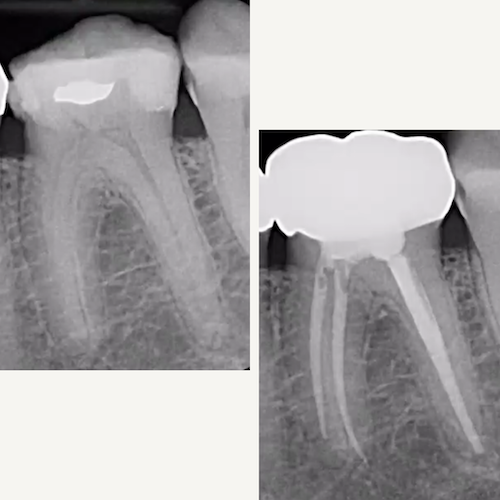
Root canal therapy removes the infected or inflamed pulp tissue from inside the tooth. After removal, the inner canals are carefully cleaned, disinfected, shaped, and sealed with a biocompatible material. This eliminates bacteria and prevents reinfection while preserving the outer structure of the tooth.
Once treated, the tooth no longer contains living nerve tissue, but it remains functional and can continue to support chewing and normal use.
Root Canal Therapy Process
Root canal therapy is typically completed in one or two visits, depending on the complexity of the case.
- Evaluation and Diagnosis: Digital X-rays and a clinical exam are used to confirm infection and assess the tooth.
- Anesthesia and Comfort: Local anesthesia is administered to ensure comfort throughout the procedure.
- Cleaning and Disinfection: The infected pulp is removed, and the root canals are cleaned and disinfected.
- Sealing the Tooth: The canals are sealed to prevent bacteria from re-entering.
- Final Restoration: A dental crown is often recommended to protect and strengthen the treated tooth.
Alternatives to Root Canal Therapy
If a tooth is infected, alternatives may include:
- Tooth extraction
- Monitoring the tooth temporarily (not recommended for active infection)
- Antibiotics alone, which do not eliminate the source of infection
Root canal therapy is typically recommended to preserve the natural tooth whenever possible.
Risks and Considerations of Root Canal Therapy
Root canal therapy is a common and highly successful procedure. Potential considerations include:
- Temporary soreness after treatment
- Persistent infection requiring retreatment in rare cases
- Fracture risk if the tooth is not properly restored with a crown
- Need for future evaluation if symptoms recur
Proper restoration and routine dental care greatly improve long-term success.
Root Canal Therapy Frequently Asked Questions
Is a root canal painful?
Modern root canal therapy is typically no more uncomfortable than receiving a filling. The procedure relieves pain caused by infection. In some cases, the tooth may be a little more difficult to numb due to active infection.
How do I know if I need a root canal?
Symptoms may include severe tooth pain, prolonged sensitivity to hot or cold, swelling, or tenderness when chewing. Some infections cause minimal symptoms, which is why exams are important.
How long does a root canal take?
Most procedures take about one to two hours, depending on the tooth.
Will I need a crown afterward?
In many cases, especially for back teeth, a crown is recommended to protect the treated tooth from fracture.
Can a root canal fail?
While success rates are high, retreatment may occasionally be needed if bacteria re-enter the canal system.
Schedule a Root Canal Consultation
If you are experiencing tooth pain or have been told you may need a root canal, we are here to help. Prompt treatment can relieve discomfort and preserve your natural tooth.
Call our office or request an appointment online to schedule your visit.